Fragmented private forest ownership
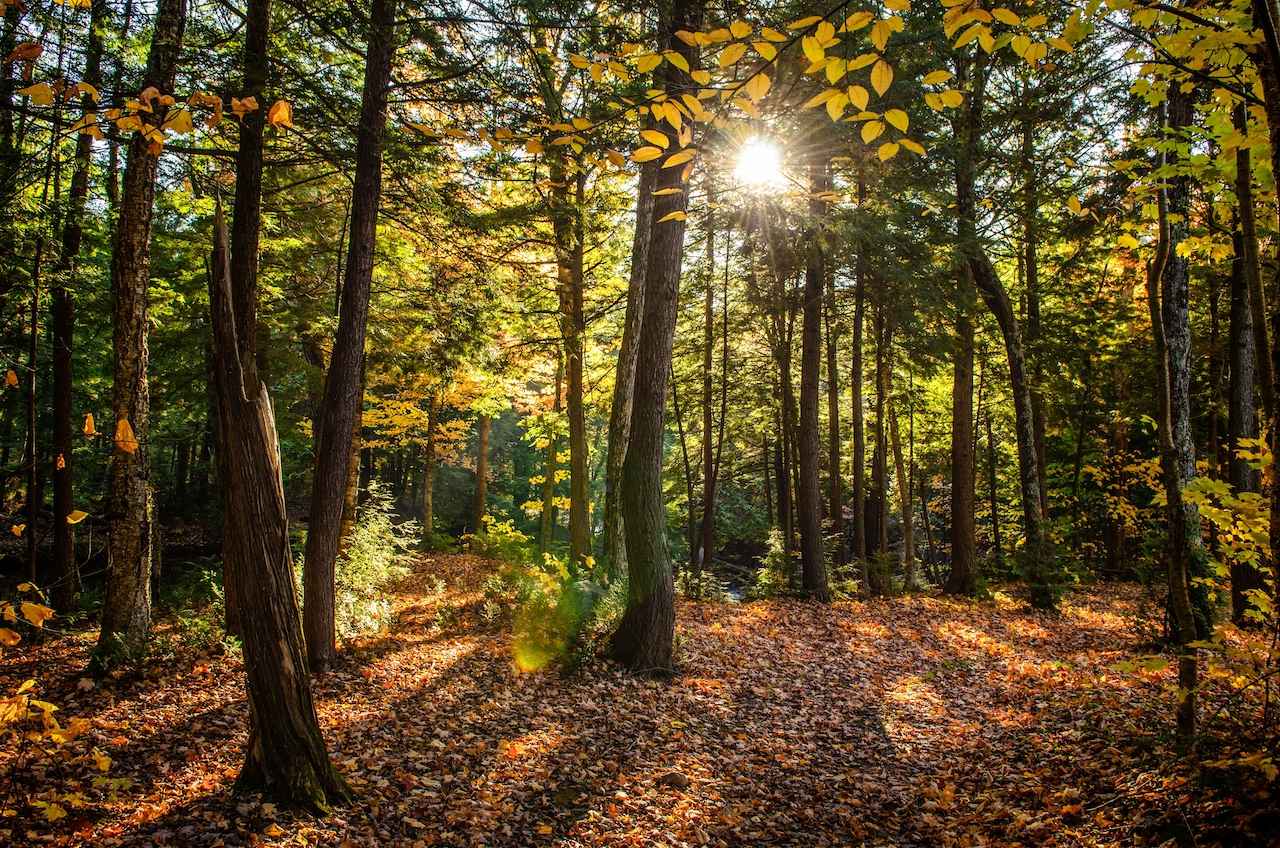
In Flanders, private forest ownership is often highly fragmented. Many forest plots are small, scattered, or shared among several heirs. This makes sustainable and efficient management challenging, both practically and financially.
The disappearance of forest groupings in Flanders
Until 1999, forest groupings offered a legal framework to bring such owners together. Their abolition left a gap in Flemish forest policy, one that still limits the potential of private forest management today.
The Walloon model: collective forest ownership
Across the language border, however, Wallonia kept and refined the system. There, groupements forestiers (forest owner associations) allow private owners to pool their lands under one legal entity, managed collectively and supported by clear fiscal incentives. These associations are transparent, exempt from corporate tax, and offer advantages for inheritance and donations. They also help ensure long-term, sustainable management of private forests.
An inspiring example for Flanders
As the voice of private land and forest owners, Landelijk Vlaanderen sees this Walloon model as an inspiring example. A renewed framework for forest groupings in Flanders could help owners overcome fragmentation, strengthen cooperation, and unlock new opportunities for sustainable forest management.
Benefits for nature and future generations
Such an initiative would not only support biodiversity and climate resilience, but also ensures that forests remain living assets, economically viable and ecologically valuable, for future generations.
Reopening the debate through SMURF
Through the SMURF project, Landelijk Vlaanderen continues to share knowledge, build partnerships, and explore practical solutions that empower private owners to manage forests responsibly. We believe it is time to reopen the discussion on forest groupings, and to give private owners the tools and incentives they need to manage their forests efficiently, collectively, and sustainably.
Based on an article by Jean-Michel Maus de Rolley in Sylva Belgica (November 2024).
.jpg)